Lens innovation is not just supporting AI—it is shaping its future by providing the eyes, the speed, and the sensory data that AI needs to become more capable, more efficient, and more integrated into daily life. Here’s how:
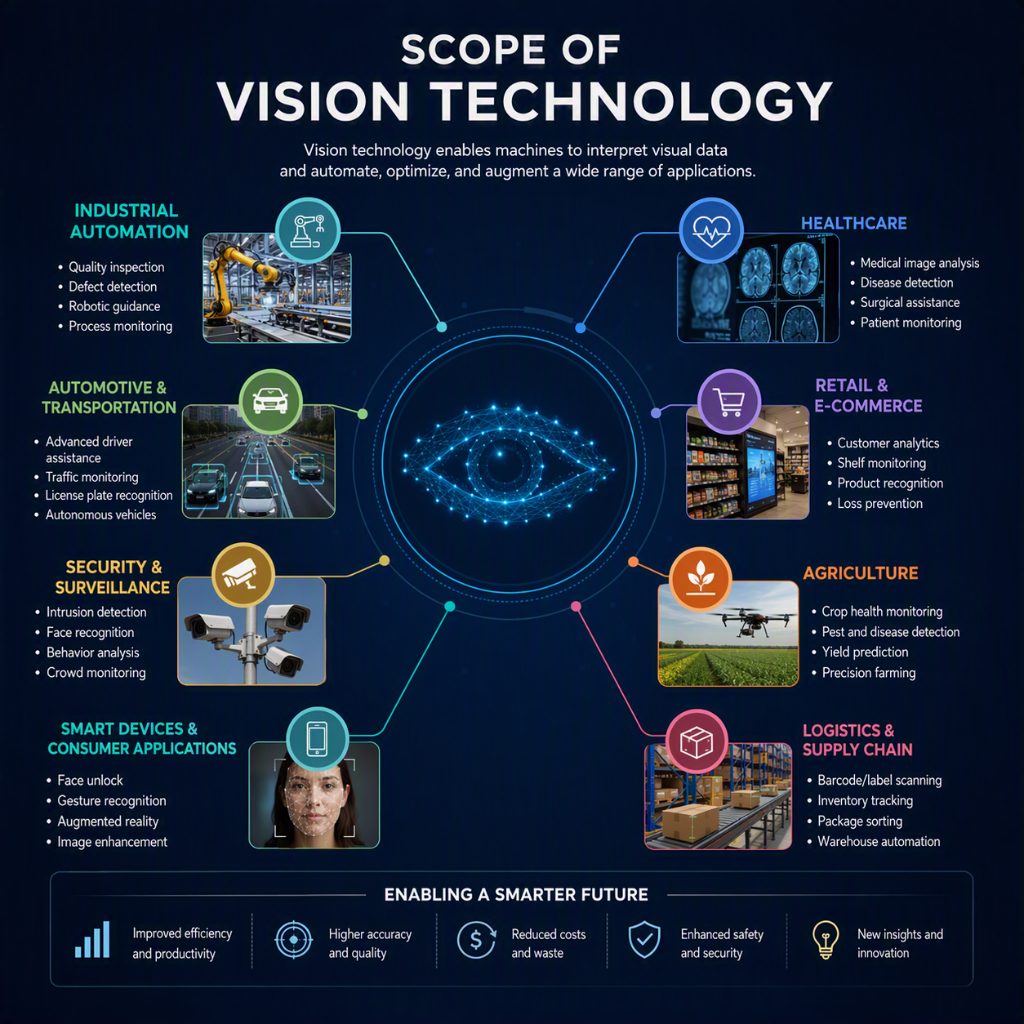
1. Lenses Give AI Its EyesAI is only as good as the data it receives. Lenses are the primary source of visual data:AI Application Lens Role ImpactComputer vision Camera lens Object detectionFacial recognition IR + RGB lens Identity verificationAutonomous vehicles LiDAR + camera NavigationMedical AI Microscope lens DiagnosisRobotics Depth lens ManipulationDrones Multispectral lens MappingSecurity Zoom lens SurveillanceWithout lenses, AI would be blind.
2. Lens Innovation Enables New AI CapabilitiesLens Innovation AI Capability UnlockedEvent-based cameras Ultra-low latency, low power AI Meta surfaces Flat, tiny, multi-function AI eyesComputational lenses AI-powered image reconstructionLight field lenses Depth-aware AI visionHyperspectral lenses Material-aware AIPolarization lenses Surface-aware AIQuantum lenses Entangled photon AINew lenses = new AI senses.
3. Lenses Make AI FasterAI processing is limited by data quality and speed. Lens innovation removes bottlenecks:Bottleneck Lens Solution AI Speed GainLow light Large aperture lens Faster detectionMotion blur Stabilized lens Clearer framesGlare AR coating Better contrastNarrow field Wide-angle lens More contextSlow focus Liquid lens Instant focusData overload Computational lens On-lens processingBetter lenses = faster AI decisions.
4. Lenses Make AI More EfficientEnergy is AI’s biggest constraint. Lens innovation reduces computation:Approach How It Helps AI Optical preprocessing Lens does work before AIAnalog computing Light does math, not chipsDiffractive lenses Passive neural networks Metasurfaces Multi-function, one layerComputational imaging Fewer pixels, same infoEvent cameras Only changes, not framesSmart lenses = less AI computation = less energy.
5. Lenses Enable Edge AIAI is moving from cloud to device. Lenses make this possible:Edge AI Device Lens Innovation BenefitSmartphone Multi-lens array Portrait, night modeSmart glasses Waveguide lens AR overlaySmart contact lens Micro-lens Health monitoringSecurity camera AI lens On-device detectionDrone Lightweight lens Real-time decisionsRobot Depth lens Safe navigationCar LiDAR lens Instant reactionSmall lenses = powerful edge AI.
6. Lenses Enable AI to See Beyond Human VisionAI can process what humans cannot see. Lenses unlock this:Lens Type AI Sees Application Infrared Heat Night vision, security Ultraviolet UV patterns Material analysis Hyperspectral Chemical signatures Agriculture, miningPolarization Surface stress Quality controlTerahertz Through walls Security scanningQuantum Entangled photons Secure communicationAI + advanced lenses = superhuman vision.
7. Lenses Enable AI to Understand 3D SpaceDepth perception is critical for AI:Lens Technology AI CapabilityStereo lenses Depth mappingLiDAR lens 3D point cloudsStructured light Precise 3D scanningTime-of-flight lens Real-time depthLight field lens Post-capture focusHolographic lens True 3D display3D lenses = AI that understands space.
8. Lenses Enable AI to Predict and AnticipatePredictive AI needs rich, real-time data:Lens Innovation AI PredictionEye-tracking lens Where you’ll look nextGaze prediction Intent anticipationMotion tracking Where things will moveEvent camera What will changeAR lens What you need to seeAdaptive lens What you need to focus onPredictive lenses = proactive AI.
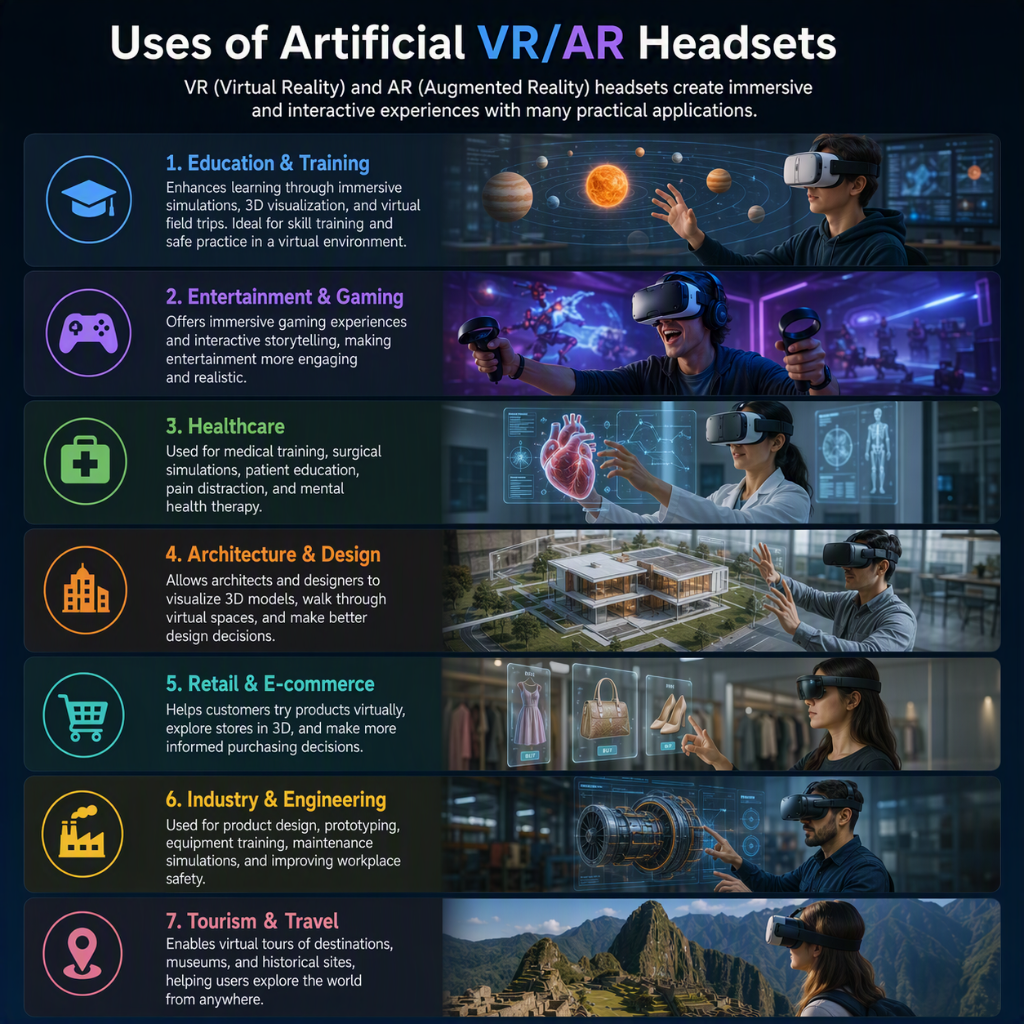
9. Lenses Enable AI-Human IntegrationThe future is AI that works with humans, not just for them:Integration Lens RoleAR glasses Overlay AI info on worldSmart contacts Invisible AI interfaceRetinal implants Direct AI-to-brainBrain-computer interface Optical neural linkEye tracking Intent detectionGaze control Hands-free interactionLenses = the interface between AI and human.
10. Lenses Enable AI to Learn BetterTraining AI requires massive visual data:Lens Innovation AI Training BenefitHigh-res lenses More detailMulti-spectral More dimensions 3D lenses Spatial understandingEvent cameras Temporal dynamicsComputational lenses Synthetic dataSimulation lenses Virtual trainingBetter lenses = better training data = smarter AI.
11. Lenses Enable Optical AI ComputingThe future of AI may be light-based:Technology How It Works AI ImpactOptical neural networks Light does matrix math 1000× fasterDiffractive deep networks Layers of lenses Passive AIPhotonic chips Light-based processors Low powerHolographic memory Light stores data Massive capacityQuantum optics Entangled photons Exponential speedupLenses are the hardware of future AI.
12. Lens Innovation + AI = New IndustriesIndustry Lens + AI InnovationHealthcare AI diagnosis via lens imaging Automotive Self-driving via LiDAR + AIAgriculture Precision farming via drone lens + AIManufacturing Quality control via machine visionSecurity Facial recognition via IR lensRetail Customer tracking via camera lensEducation AR learning via waveguide lensEntertainment VR/AR via headset lensFinance Eye-tracking security Space Autonomous exploration
13. The Co-Evolution of Lenses and AI Lens innovation ↓Better visual data ↓Smarter AI ↓AI designs better lenses ↓Even better visual data ↓Even smarter AI ↓ They improve each other in a continuous loop.
14. Real-World ExamplesCompany/Product Lens + AI InnovationTesla Camera lenses + AI = self-drivingApple LiDAR lens + AI = AR appsGoogle Lens + AI = Google LensMeta Waveguide lens + AI = AR glassesXPANCEO Smart contact lens + AI = ARNVIDIA Lens + AI = autonomous machinesBoston Dynamics Depth lens + AI = robotsJohn Deere Camera lens + AI = precision farming
15. The Future of AI Is OpticalTrend Lens RoleEdge AI Small, efficient lenses AR/VR Immersive lenses Autonomous systems Reliable, multi-modal lensesBrain-computer interface Optical neural links Quantum AI Entangled photon lenses Optical computing Light-based processors Smart contacts Invisible AI interfaces
16. The Strategic Value of Lens Innovation for AIDimension ValueSensing AI gets better eyes Speed AI reacts faster Efficiency AI uses less power Capability AI sees beyond human Integration AI merges with life Intelligence AI learns betterFuture AI becomes optical🔑
The Core IdeaLens innovation shapes the future of AI by:
1. Giving AI eyes — visual data input
2. Making AI faster — removing bottlenecks
3. Making AI efficient — optical preprocessing
4. Enabling edge AI — small, powerful lenses
5. Extending AI vision — IR, UV, hyperspectral
6. Adding 3D understanding — depth, space
7. Enabling prediction — gaze, motion, intent
8. Integrating with humans — AR, smart contacts
9. Enabling optical computing — light-based AI
10. Creating new industries — healthcare, auto, agricultureThe future of AI is not just digital—it is optical. And lenses are the key.
Every lens innovation opens a new door for AI. Every AI advance demands a better lens.
They are co-evolving toward a future where AI sees the world as clearly as—or better than—humans do.
Explore deeper into any area—like optical neural networks, event-based cameras for AI, or how smart contact lenses will interface with AI?